


International

Prepare for
your stay

Practical information for each of our campuses

Hero Image

Your EPLO Visa Support Letter

As an international organization, the EPLO issues an official Visa Support Letter to admitted students to assist with the visa application process. Once your admission is complete, the letter is prepared and sent to you by email, and includes:

  • Your full name and date of birth
  • Your passport number, date of issue, and date of expiry
  • The start and finish dates of your program

An original letter can be couriered to you on request (€25). Please check with your local embassy whether an emailed copy is sufficient or the original is required. Note that, depending on the country, visa applications can take up to 20–25 working days (3–4 weeks) — apply early.

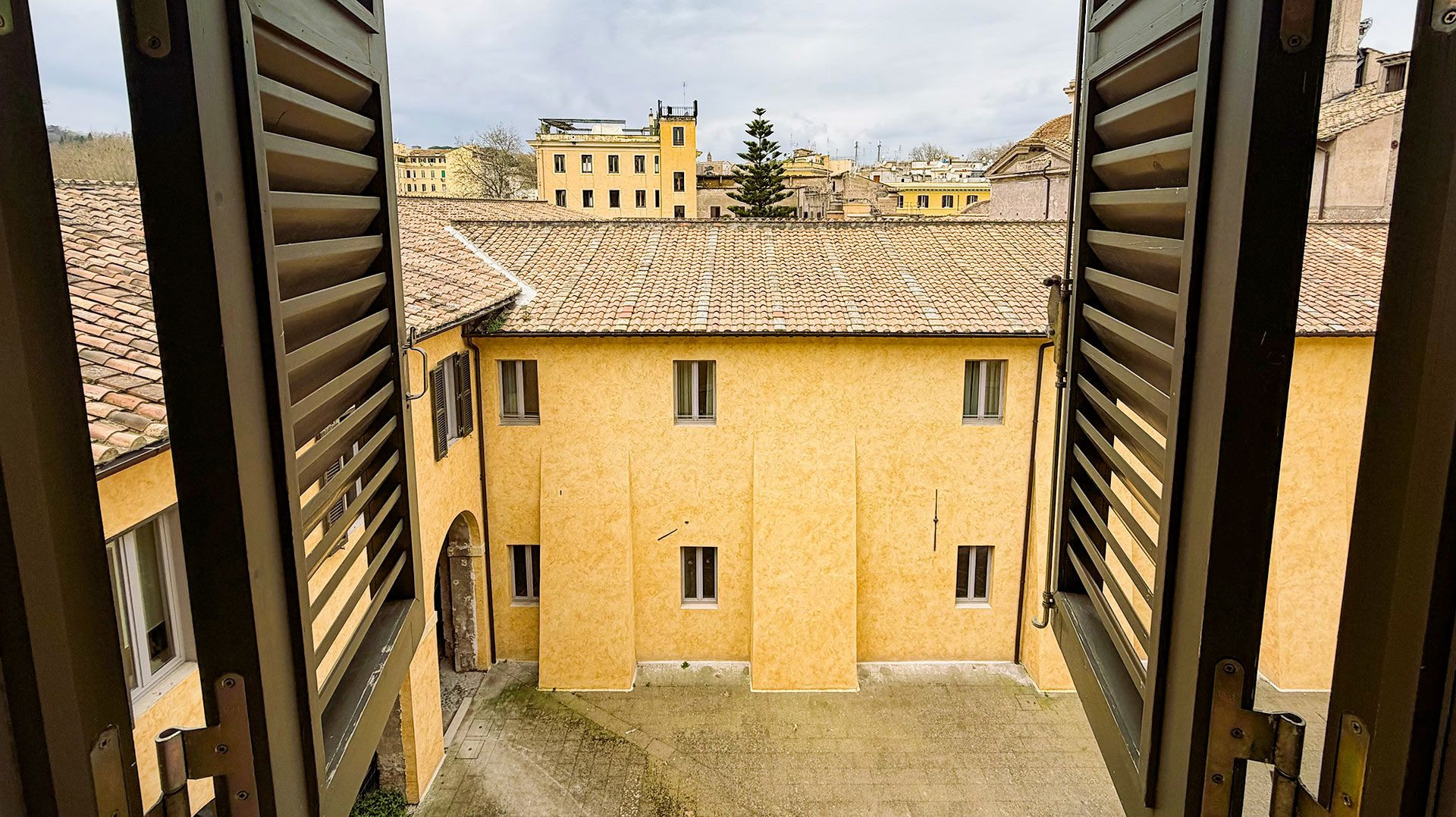
Rome, Italy

Study at our headquarters city, at the center of European public life.

Rome is home to the EPLO’s institutional heart and one of Europe’s great capitals — layered with history, culture, and public institutions. This guide covers the essentials for your move to Italy.

Italy is a European Union Member State and part of the Schengen Area.

  • EU / Schengen citizens: no visa required; an EU national ID card is sufficient to enter and stay.
  • Non-EU citizens: you will typically need a national (type D) study visa, applied for at the Italian embassy or consulate in your home country before travelling. On arrival you will also apply for a residence permit (permesso di soggiorno). 

For official requirements, see the Italian Ministry of Foreign Affairs visa portal. 

EU / EEA citizens should carry a European Health Insurance Card (EHIC) for access to Italy’s national health service. Non-EU students should arrange private health insurance before arrival and confirm any requirements tied to their visa.

Useful emergency numbers:

  • 112 — European emergency number (police, ambulance, fire — works across the EU)

Athens, Greece

Everything you need to arrive, settle in, and feel at home.

Studying at our Athens headquarters means living on the Athenian Riviera, minutes from the Aegean and an hour from the heart of one of the world’s oldest cities. This guide covers the essentials for your move — from visas to getting around.

Greece is a European Union Member State and part of the Schengen Area.

  • EU / Schengen citizens: no visa required. An EU national ID card is sufficient to travel, though a passport is useful for other transactions (currency exchange, purchases).
  • Non-EU citizens: you will need a visa or entry clearance if your nationality requires one to enter Greece. Visitors with a visa must also hold suitable insurance for medical or other emergencies during their stay.

For official, country-specific requirements, see the Greek Ministry of Foreign Affairs visa portal. We’re happy to help if you run into difficulty finding information.

EU / EEA citizens should carry a European Health Insurance Card (EHIC), which gives access to state healthcare on the same terms as residents. Students from outside the EU should confirm coverage with their own insurer before travelling.

For more on the EHIC, see the European Commission EHIC page.

Useful emergency numbers:

  • 112 — European emergency number (works across the EU, in English)
  • 166 — Ambulance
  • 100 — Police
  • 1571 — Tourist Police
  • 1434 — Duty hospitals, clinics & pharmacies

Cascais, Portugal

A coastal campus on the Atlantic, minutes from Lisbon.

Cascais is an elegant seaside town on Portugal’s Atlantic coast, a short train ride from the capital, Lisbon. Our students study and live in the Carcavelos area, close to the coast and well connected to both Cascais and Lisbon. This guide covers the essentials for your move to Portugal.

Portugal is a European Union Member State and part of the Schengen Area.

  • Schengen / EU citizens (and Republic of Ireland): no entry visa required. You must, however, register at the Parish Council (Junta de Freguesia) of your area of residence — a process costing around €15. You’ll need a valid ID card or passport (original + photocopy), proof of address in Portugal, and a sworn statement (provided at the Parish Council).
  • Non-Schengen citizens: you’ll need either a Temporary Stay Visa for a study program (for stays of three months up to one year) or a Residence Permit (for stays potentially longer than one year). You can apply for a Residence Permit once in Portugal rather than renewing the visa.

For official requirements, consult the Portuguese immigration authority (AIMA) and your local Portuguese consulate.  

EU / EEA citizens should carry a European Health Insurance Card (EHIC) for access to Portugal’s national health service (SNS). Non-EU students should arrange private health insurance before arrival and confirm any visa-linked requirements.

Nearby health facilities:

  • Cascais Hospital (public) — Estrada Militar, Alcabideche · (+351) 214 653 000
  • USF Carcavelos (public health center) — Av. Coronel Melo Antunes 400 · (+351) 212 400 001
  • CUF Cascais Hospital (private) — Rua Fernão Lopes 60 · (+351) 211 141 400

Emergency numbers:

  • 112 — national emergency number, free from any phone; the operator directs you to medical, fire, or police services.
  • PSP Carcavelos (nearest police station) — (+351) 214 584 631

At the beach (Carcavelos & Estoril):

  • Lifeguards operate in the official season (1 May–15 Oct); Carcavelos and Cascais’ main beach (Praia da Duquesa) are patrolled year-round.
  • Flags: green = safe to swim, yellow = caution, red = no swimming. Note Carcavelos beach can have dangerous currents — respect the marked swimming areas.

AN AGENCY OF THE EPLO

A University backed by an international organization.

The ELGU is the only university founded and operated by an international organization. Learn from practitioners, scholars, and experts who shape public life.

1995 Founding of the EPLO in Athens
21 Institutes across law and governance
14 Member states
& 81 Universities
within the Board
Permanent
Observer
at the UN General Assembly