

The 10th Migration Summer School (MIGSS) focuses on the systemic inequalities that affect the health outcomes of various racial and ethnic groups. It examines how social determinants, such as socioeconomic status, education, access to healthcare, and living conditions, contribute to the disparities observed in health. Additionally, the discourse encompasses the quality of life experienced by these communities, highlighting how factors such as cultural barriers, discrimination, and lack of resources can hinder overall well-being. Furthermore, it underscores the importance of occupational safety for migrants and refugees, who often face unique challenges in the workplace. These individuals may encounter hazardous working conditions, exploitative practice and limited access to occupational health resources, putting their health at further risk. This subject calls for a comprehensive understanding of the intersectionality of race, ethnicity, and health, advocating for equitable policies and interventions that address these disparities and promote inclusivity in healthcare and occupational settings.
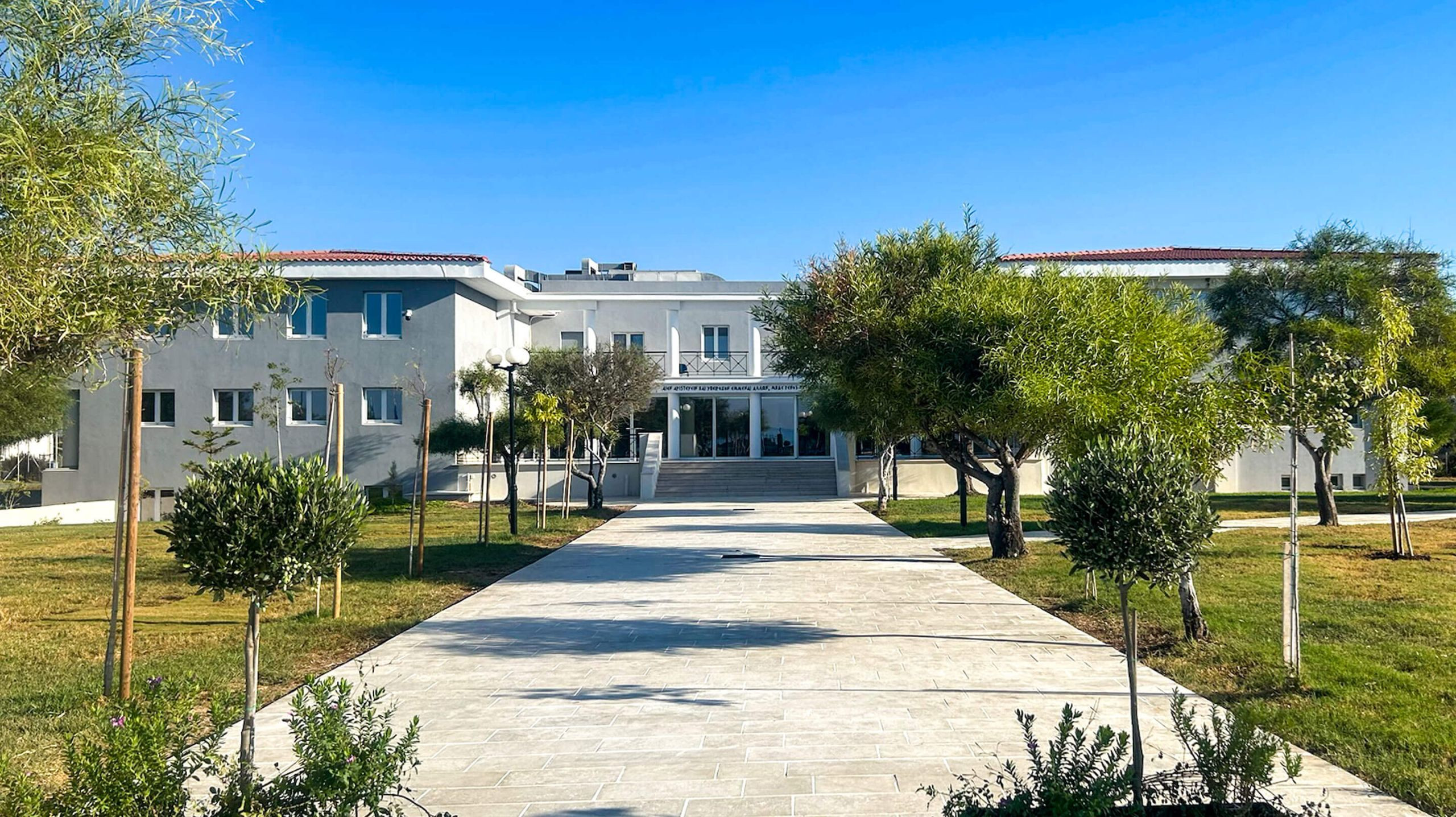
Through lectures, workshops, and discussions, participants will explore social determinants such as socioeconomic status, education, healthcare access, and living conditions. The program emphasizes the quality of life in affected communities, revealing how cultural barriers, discrimination, and limited resources can significantly hinder overall well-being. This program is organized by the European Public Law Organization (EPLO) and will take place from July 13 to July 17, 2026 at the EPLO’s seaside premises in Legrena, Sounion.
Our summer course is perfect for:
- Practitioners
- NGO professionals
- Researchers
- Post-graduate students from various disciplines, including Public Health, Nursing, Sociology, Social Policy, Political Science, International Relations, Human Rights, Economics, and others.
As this program is interdisciplinary by nature, it is open to all disciplines (such as Sociology, Social Policy, International Relations, Human Rights, Economics et al.) and applicants from an undergraduate level of studies and beyond are welcome, including but not limited to postgraduate students, PhD candidates, researchers, and NGO professionals. Doctoral students and researchers will have the opportunity to present their PhD/research at the PhD Seminar, provided a minimum of five students are enrolled in the seminar.