
Author: Ms. Andie Brady, LLB graduate (cum laude) from the University of Groningen
Abstract
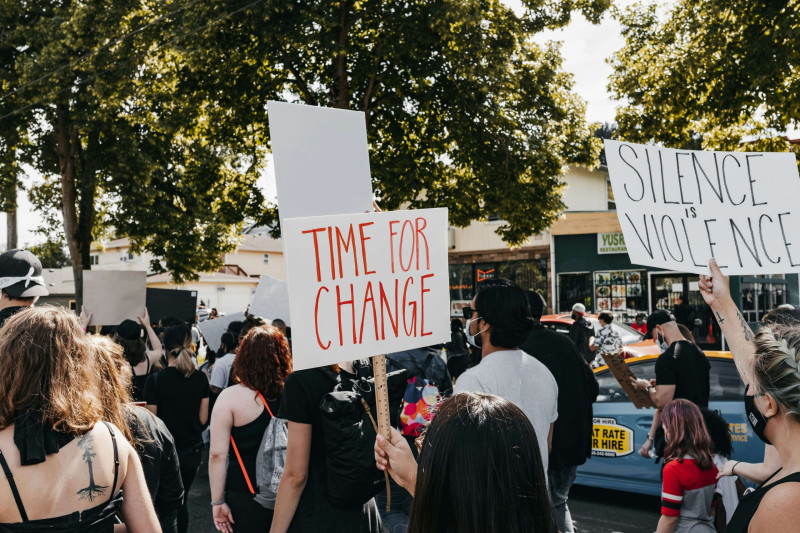
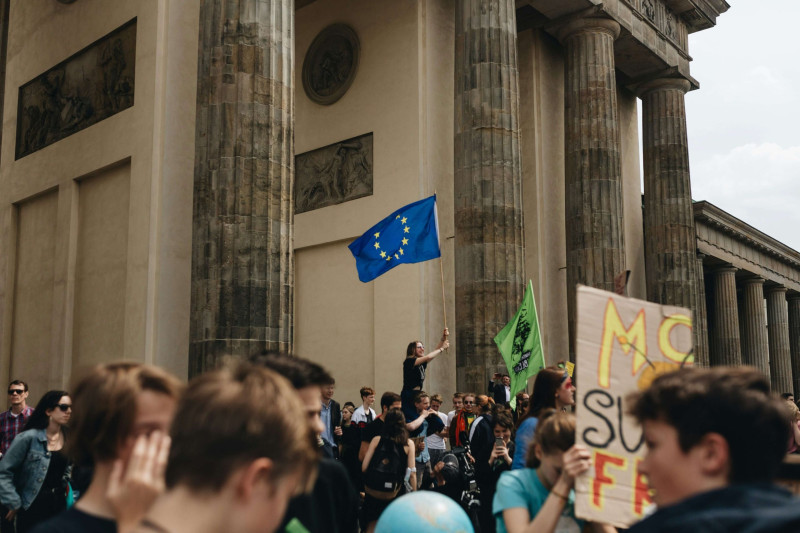
Protest, and increasingly disruptive protest, is on the rise across Europe and beyond and has been met with an intolerant and often repressive domestic response. In the context of political polarisation and democratic backsliding, the treatment of protest is both symptomatic of and a barrier to the erosion of democratic values and the rule of law. Therefore, this short article seeks to examine the potentially problematic relationships between the European Court of Human Rights’ jurisprudence regarding disruption as a form of political expression, domestic treatment of protest across Europe, and the wider role of protest in safeguarding democracy.
Read the full article below
This article was written as part of the EGPL Young Fellows Program 2026, an initiative of the European Public Law Organization (EPLO) linked to the Annual Reunion of the European Group of Public Law (EGPL), held from 11 to 13 September 2026 at the EPLO campus in Legrena–Cape Sounion, Greece. Selected early-career researchers in law and governance took part in the Reunion. Each then produced an original paper on this year’s theme, “New Challenges for the State”, with guidance from mentors in the ELGU academic network. The Fellows’ papers are published as a series on the ELG Blog.