
The ELGU and the EPLO this summer welcomed participants to its seaside premises in Legrena–Sounion for the 2026 Summer Intensive on Global Administrative Law in Practice, a five-day programme exploring how global administrative law can contribute to rethinking the governance and implementation of the Sustainable Development Goals (SDGs).
Taking place against the backdrop of growing geopolitical fragmentation and declining trust in multilateral cooperation, the programme examined a fundamental question: how can global administrative law help us re-imagine the SDGs and strengthen the systems through which they are implemented?
Global administrative law (GAL) examines the administrative mechanisms, procedures and accountability structures that operate beyond the nation-state. From international organizations and regional institutions to domestic administrations, transnational networks and public-private partnerships, these increasingly complex forms of governance play a central role in addressing challenges that transcend national borders.
The 2026 programme placed this evolving governance architecture at the centre of discussions on the SDGs, fifteen years after their adoption and just four years before the 2030 deadline.
Four SDGs, four global governance challenges
Throughout the week, participants explored four SDGs that particularly highlight the tensions between multi-level governance and the challenges facing multilateral cooperation:
SDG 16 – Peace, Justice and Strong Institutions: examining the decline of multilateralism and the role of transparency, participation, accountability and institutional reform in rebuilding effective international institutions.
SDG 13 – Climate Action: exploring the increasingly fragmented landscape of climate governance and how administrative-law principles can help coordinate the work of international institutions, governments, cities, regulators and private actors.
SDG 7 – Affordable and Clean Energy: considering the regulatory and institutional challenges of the global energy transition, including the role of cross-border regulators, technical standard-setting and international financial institutions.
SDG 10 – Reduced Inequalities: examining global redistribution, development finance, debt restructuring and the possibilities and limits of multilateral solidarity, with particular attention to fair and transparent decision-making.
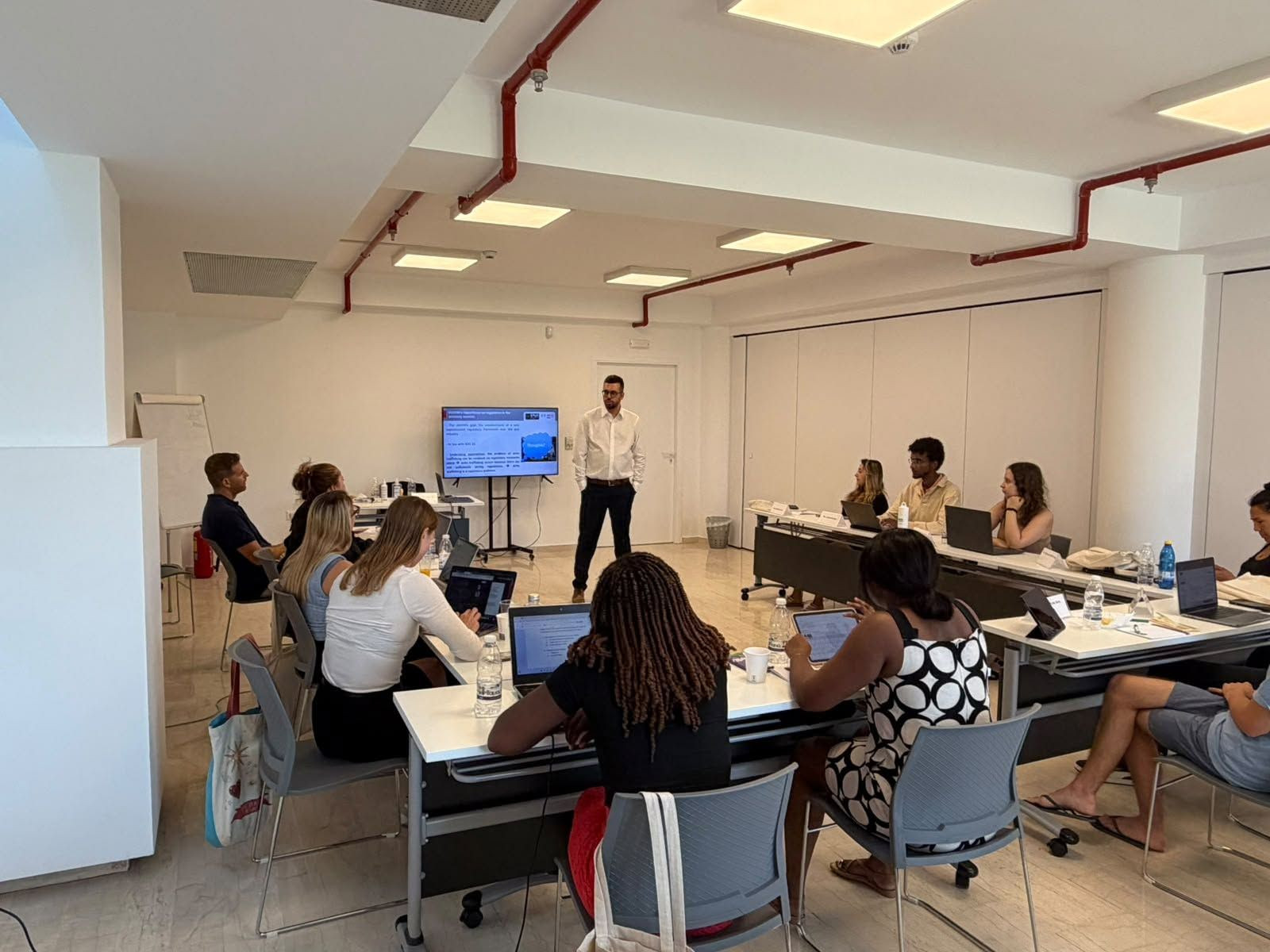
The programme combined lectures, discussion and practical engagement, encouraging participants to critically assess how existing institutions and regulatory networks contribute to the realization of the SDGs — and whether institutional innovation or deeper reforms are needed to address future global challenges.
As part of the programme, participants also took part in a study visit to the Regulatory Authority for Energy, Waste and Water (RAAEY), providing an opportunity to connect the theoretical discussions on global governance and regulation with institutional practice.
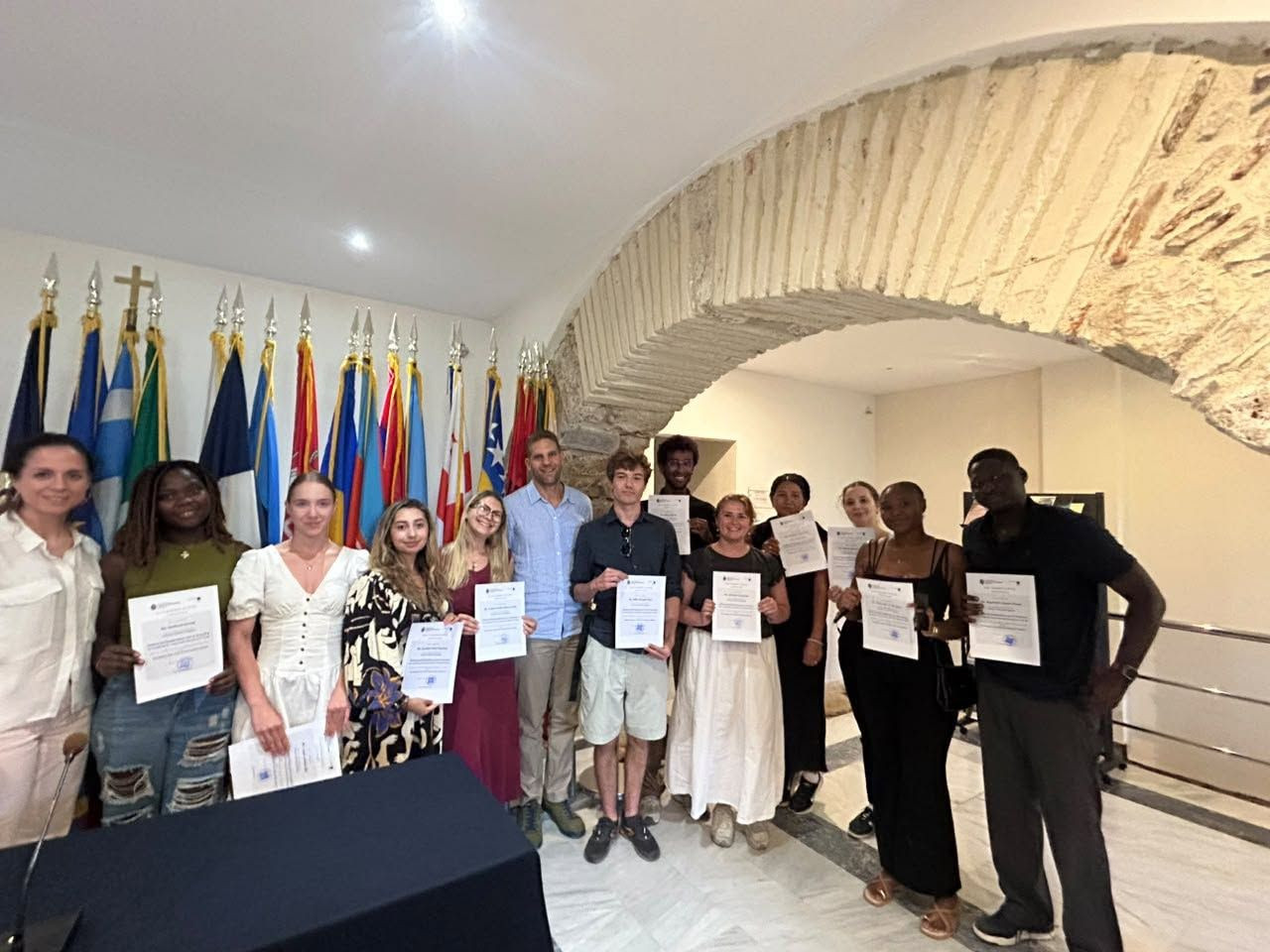
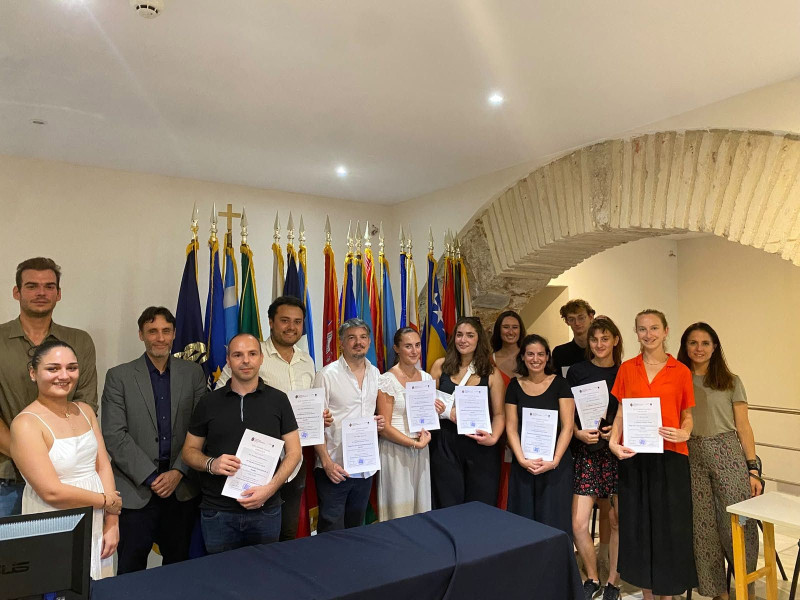
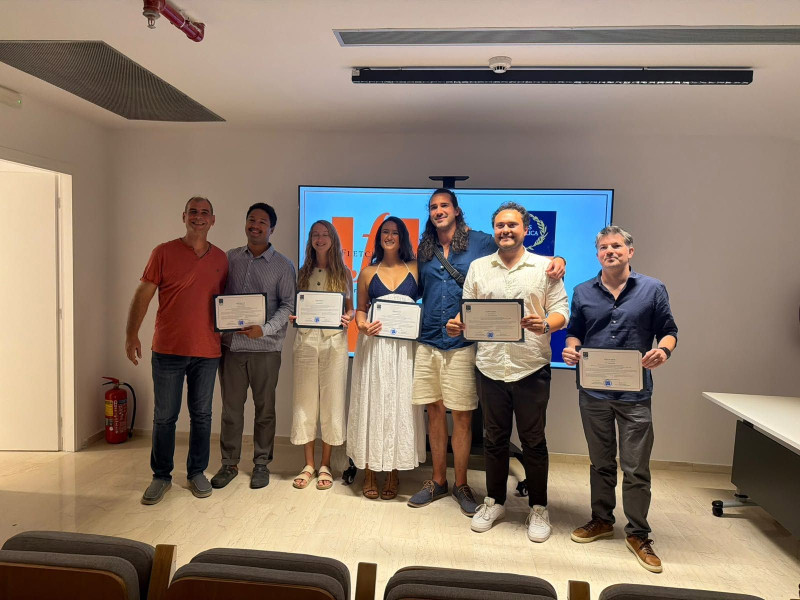
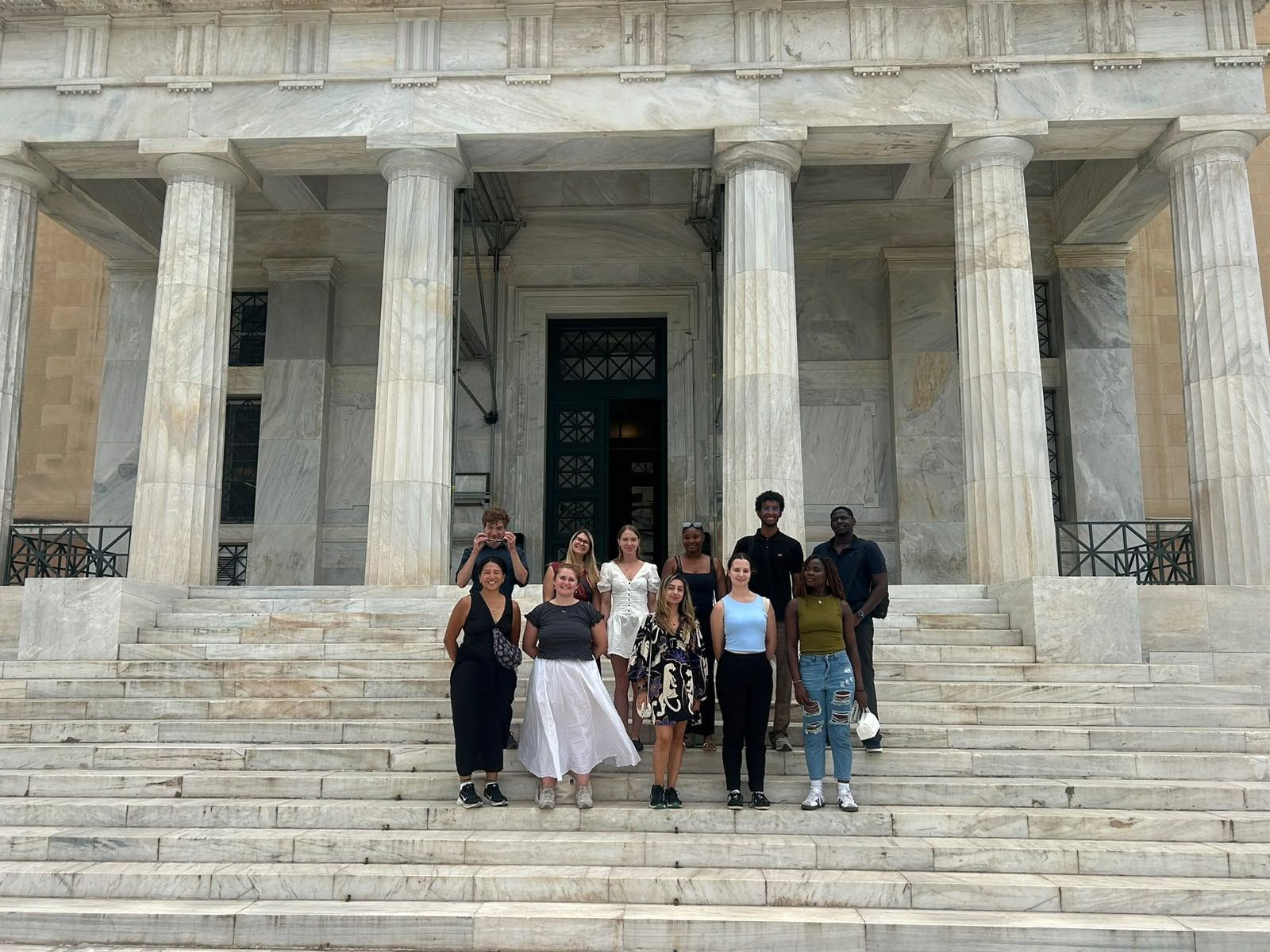
The programme concluded in Athens with closing remarks and the awarding of certificates to participants.
Academic leadership
The Summer Intensive was under the Academic Supervision of Professor Sabino Cassese, former Judge of the Constitutional Court of Italy, and supported by Professor Edoardo Chiti, Full Professor of Administrative Law and Member of the Academic Senate at Scuola Superiore Sant’Anna, Pisa.
EPLO thanks the faculty, speakers and participants for a stimulating week of comparative analysis, critical discussion and interdisciplinary exchange on some of the most pressing questions facing global governance today.